

Homeowners · Challenges
Sticking Doors & Windows
Frames can distort as one part of a foundation moves differently from another.
Discuss this requirement ↗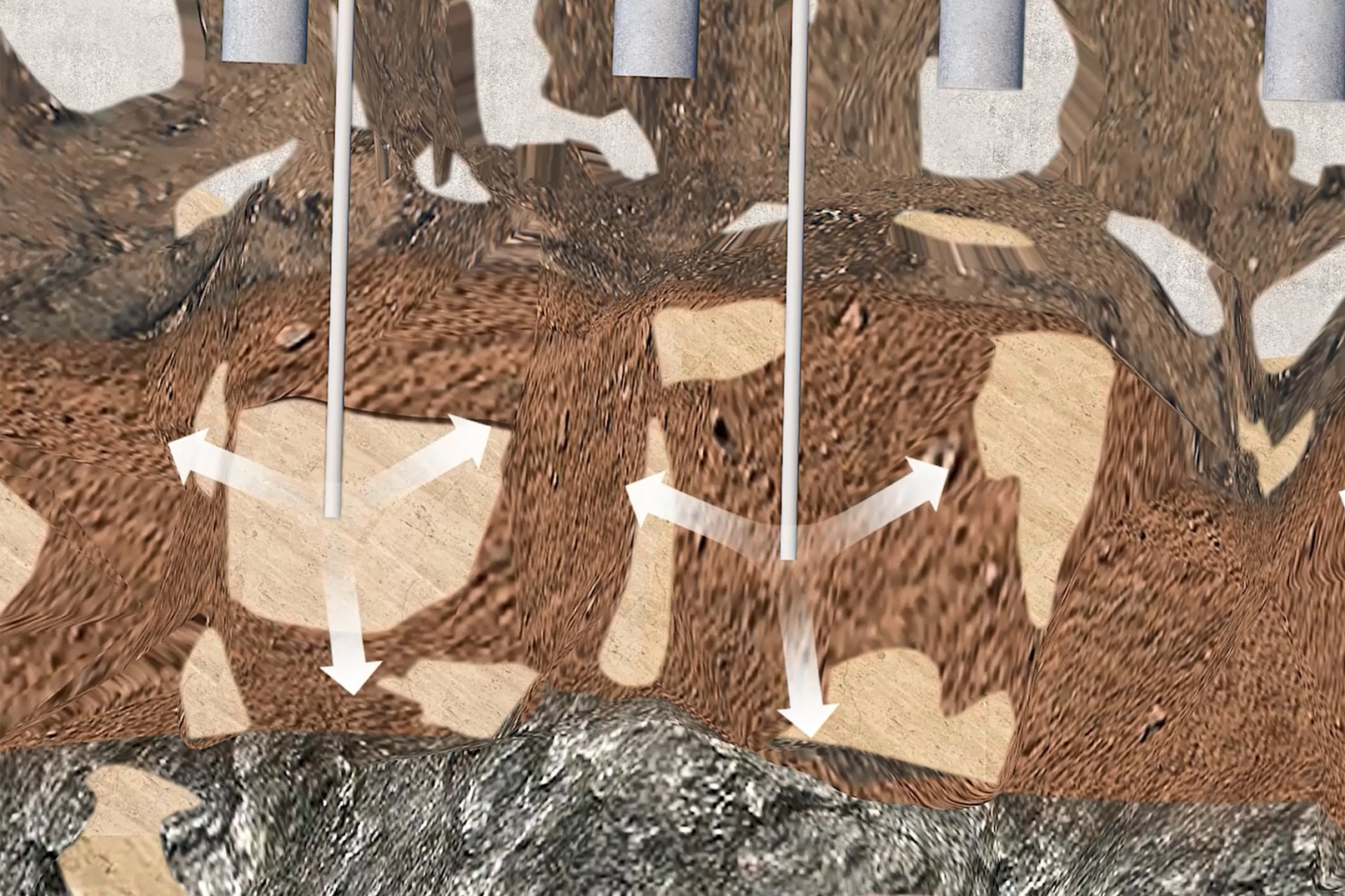
 01
01Stabilize
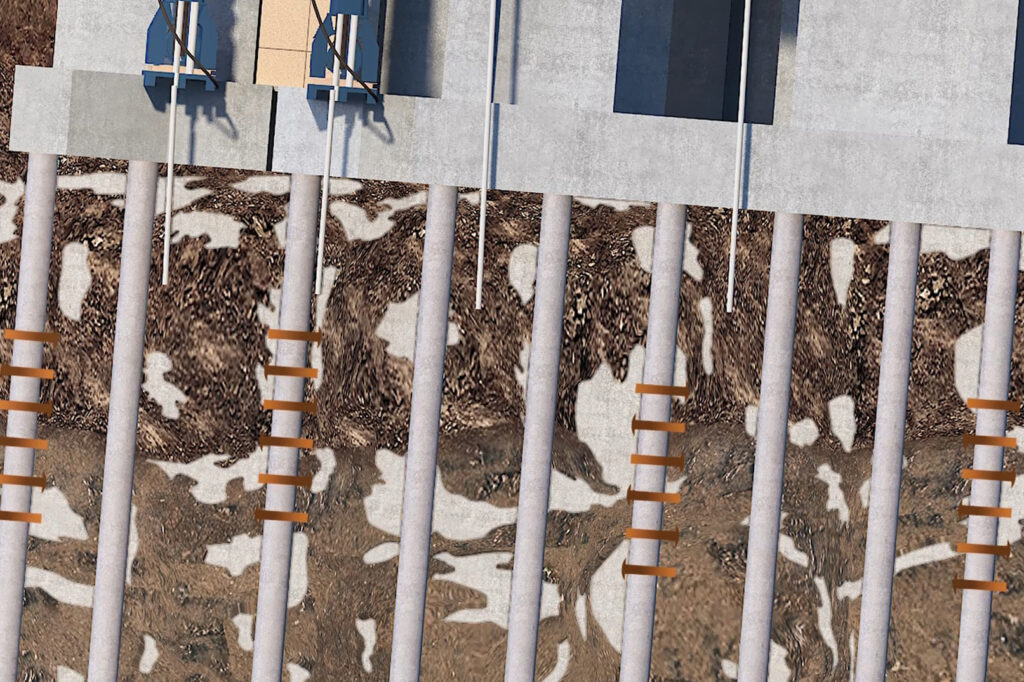
Residential Foundation Stabilization
Improve weak supporting ground and reduce the risk of continued movement.
Explore 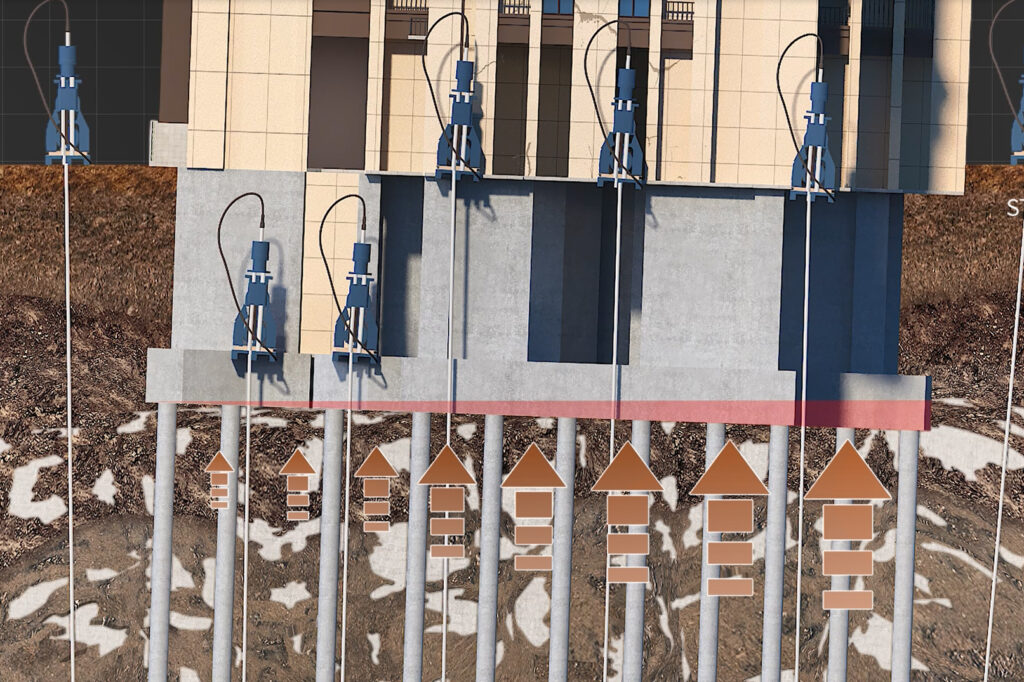 02
02Re-level
Home Re-Leveling
Use staged treatment and monitoring to recover level where conditions allow.
Explore 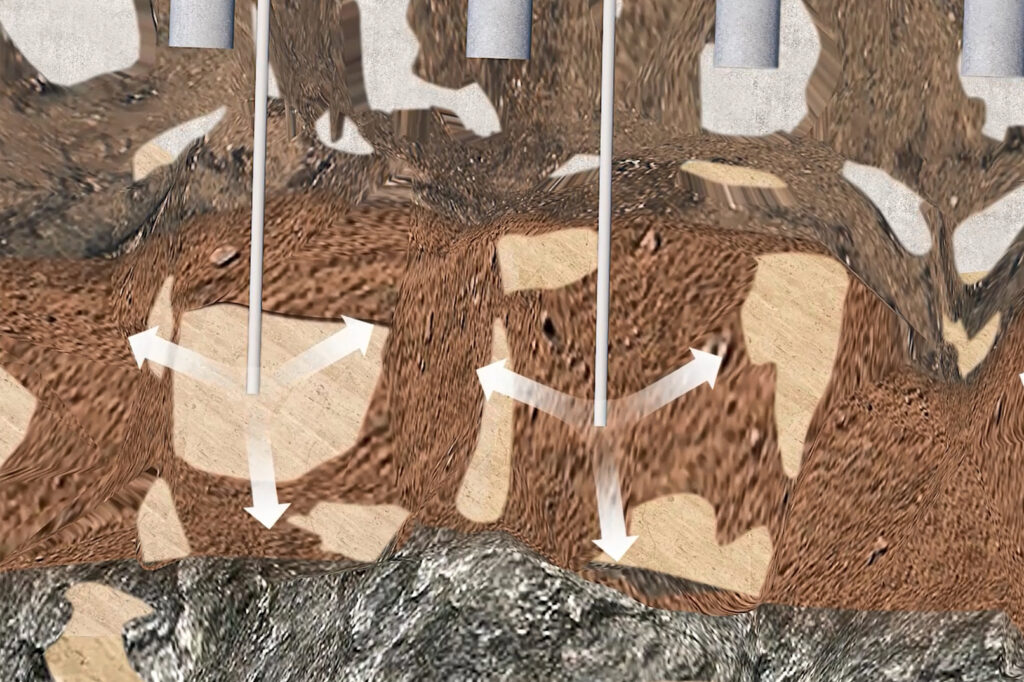 03
03Restore support
Void Filling
Restore support where leaks, washout or poor ground have created cavities.
Explore 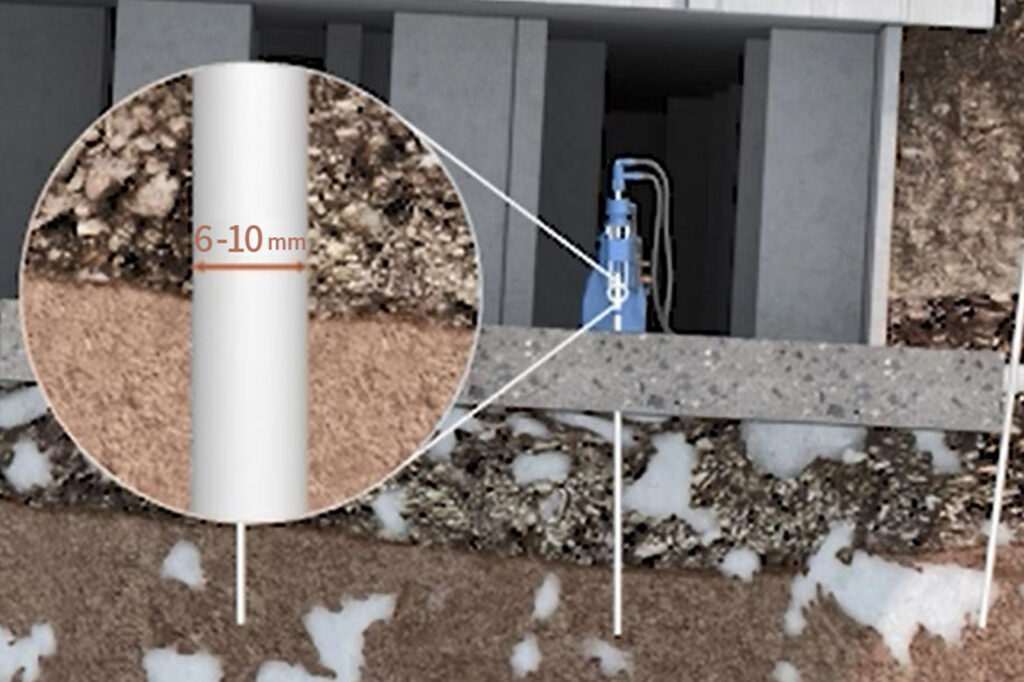 01
01Method guide · 7 min
Foundation Stabilization vs. Traditional Underpinning
Compare access, disruption, construction time and suitable applications.
Explore 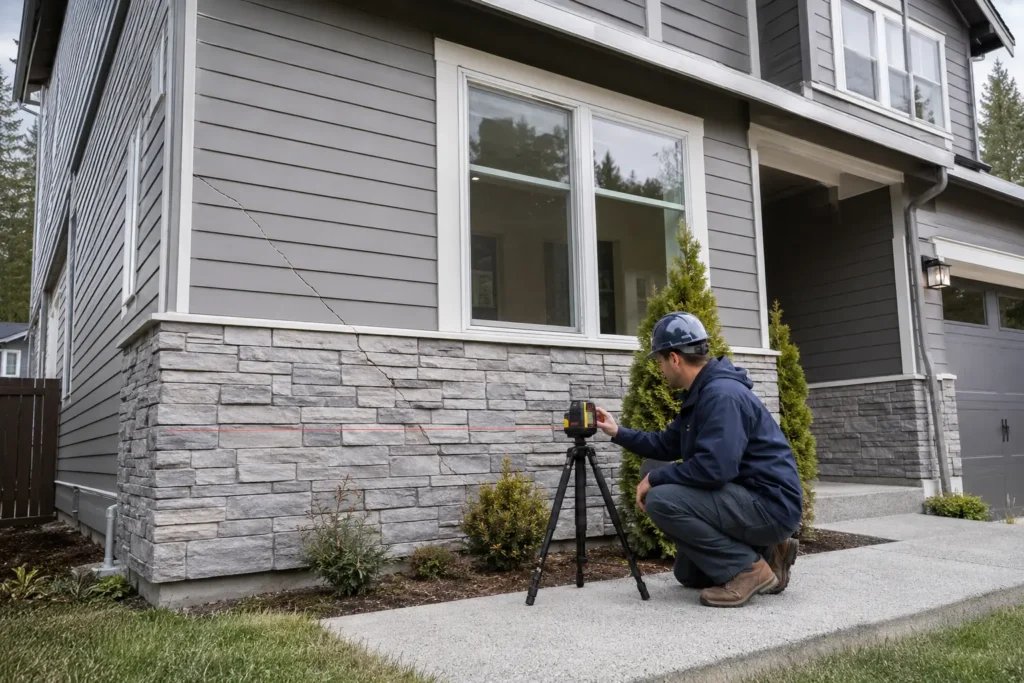 02
02Homeowner guide · 5 min
How to Tell if Wall Cracks May Be Settlement
Patterns to note, changes to record and when to request a professional assessment.
Explore 03Explainer · 6 min
What Causes Uneven Floors in a Home?
A simple guide to ground, drainage, structural and construction-related causes.
Explore 
Start with the condition
Concerned about movement in your home?
Share photographs, drawings or monitoring information. The team can review the condition and recommend a practical next step.