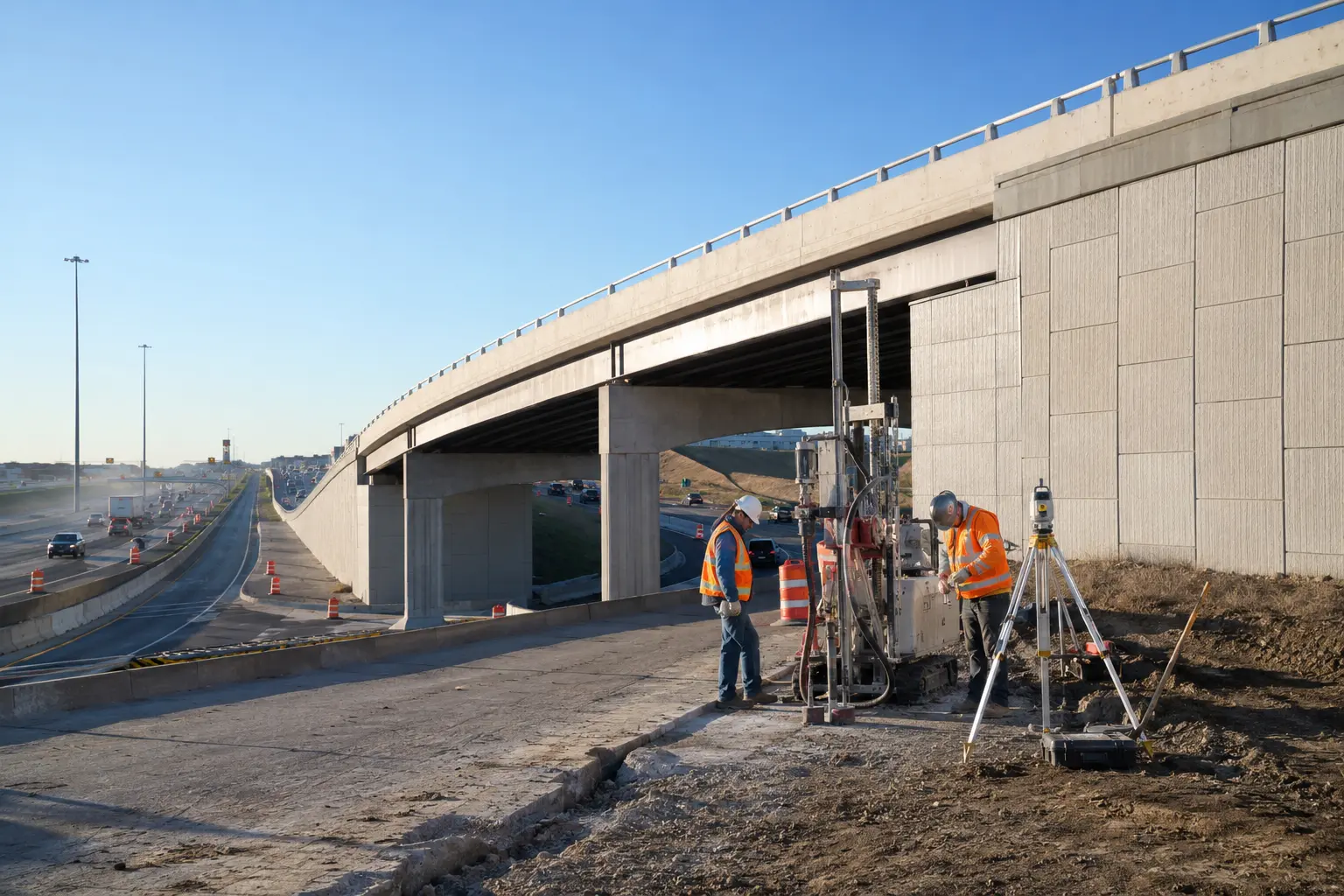
Foundation movement is rarely a single-symptom problem. A sound decision connects observed damage with ground conditions, structural behavior, tolerances and operational requirements.
1. Start with evidence
Review movement history, crack patterns, levels, drainage, soil information and changes in loading.
2. Define the required outcome
The project may require stabilization, restoration of level, tilt correction, equipment alignment or increased bearing capacity.
A successful solution controls both the treatment process and the response of the structure above it.
3. Compare intervention paths
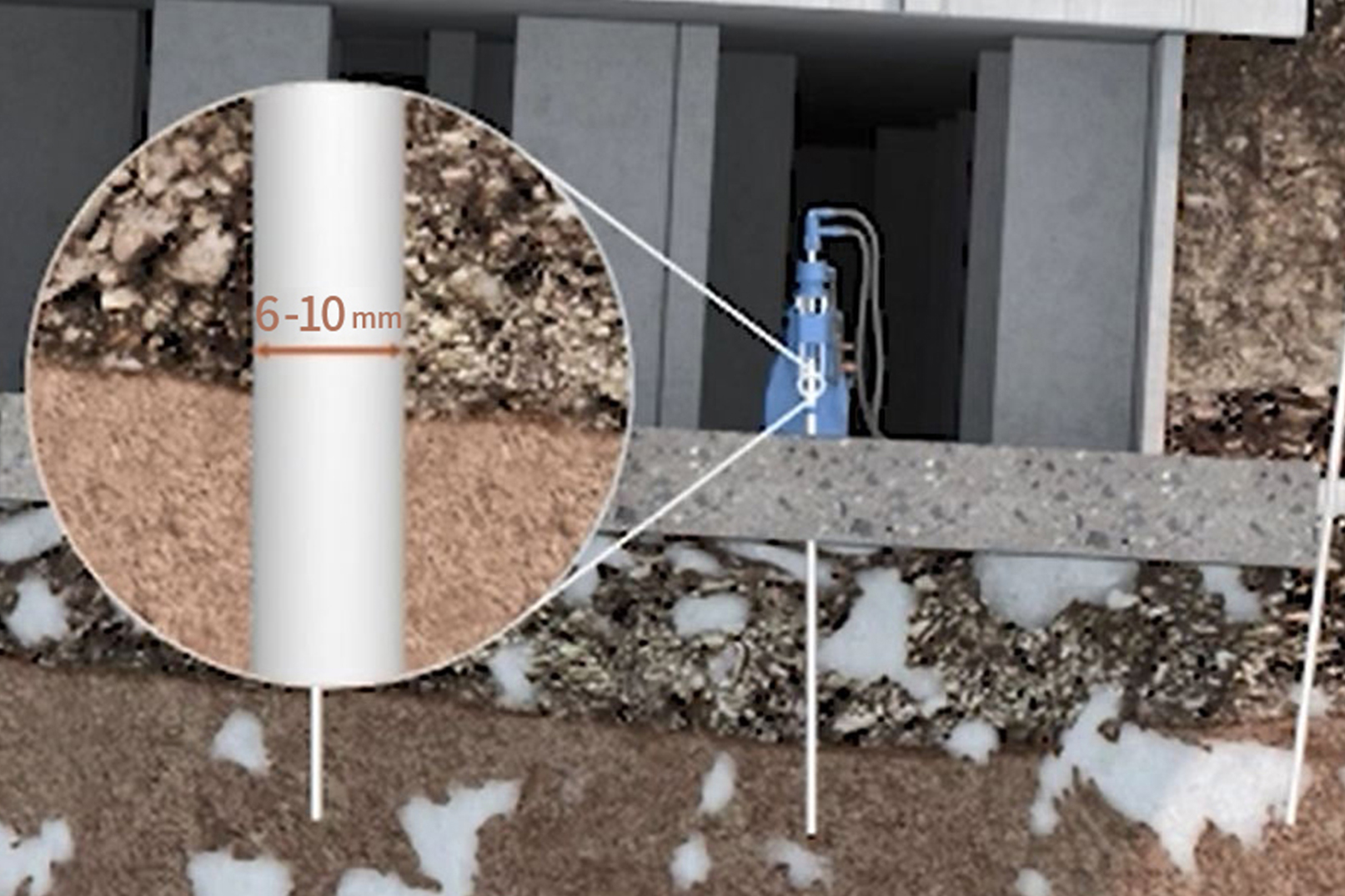
Evaluate excavation, conventional underpinning, slab replacement and targeted injection against access, schedule, risk and disruption.
4. Connect method to evidence
Relevant case studies should show the original condition, selected approach, construction sequence and measured outcome.