Skip to content

Commercial · Solutions

Building Settlement Stabilization

Stabilize building settlement and prevent further structural movement or damage.

Engineering overview

Non-Destructive Controlled Root Stabilization for Settlement Mitigation

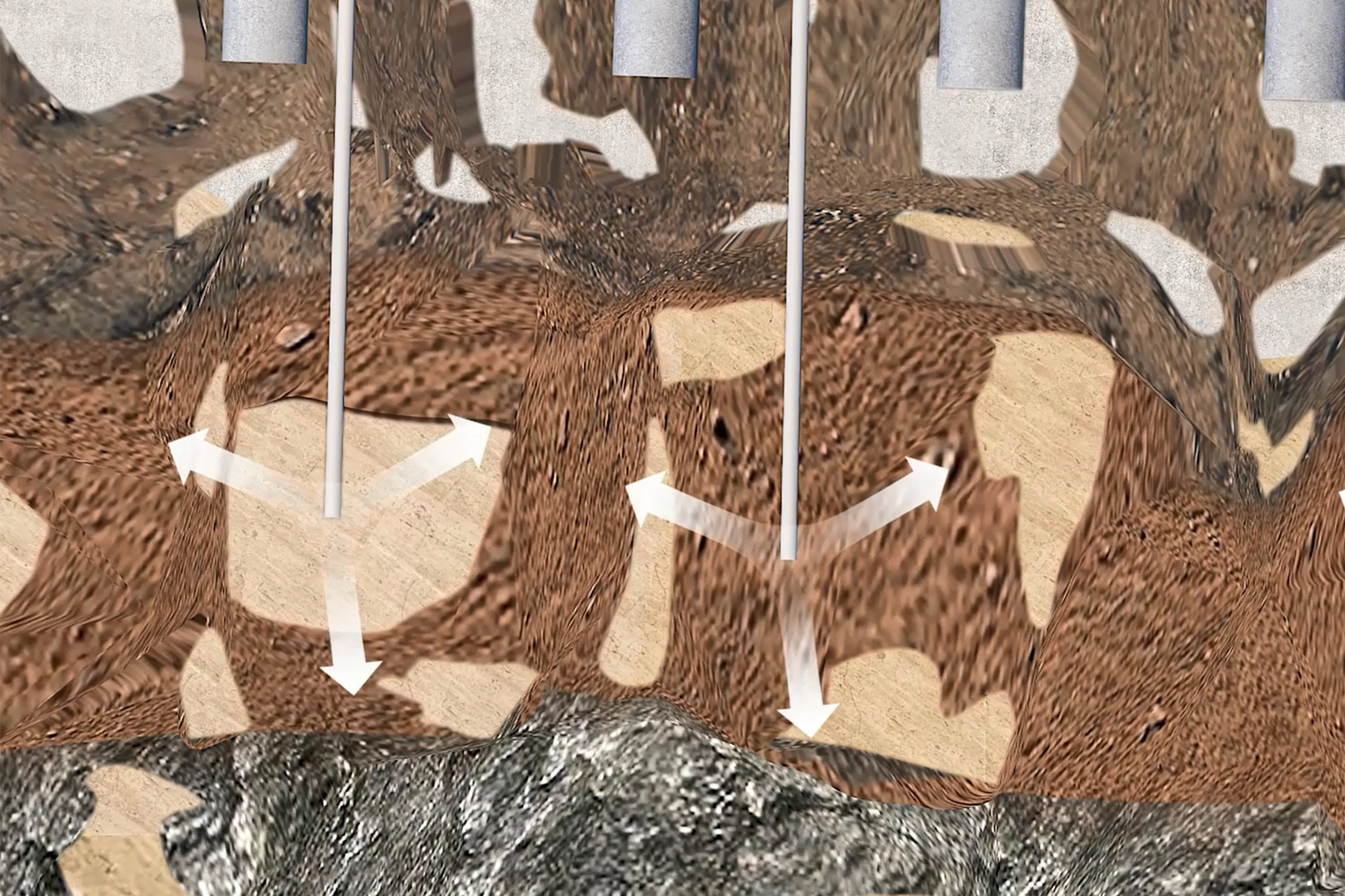
For building settlement, a specialty composite material is injected through 6–10 mm micro-holes into the weak soil layers beneath the foundation. The material solidifies with the soil to form a high-strength, highly impermeable consolidated body, significantly improving foundation bearing capacity and stiffness, arresting further building settlement, and protecting structural safety.

What to assess

The information that shapes the repair path

Review movement history, ground and drainage conditions, structural loads, access constraints and acceptance criteria. Visible symptoms alone do not determine the suitable intervention.

01

Movement history and visible symptoms

02

Ground and drainage conditions

03

Structural loads and tolerances

04

Access and operating constraints

05

Monitoring and acceptance criteria

06

Long-term asset performance

Process Injection

Staged injection · real-time measurement

Our approach

Hengxiang Hongye Critical Remediation Steps

Through our non-destructive and controllable patented technology, the weak soil layer of the holding layer is consolidated as a whole, and the consolidated and reinforced foundation soil forms a composite foundation, whose bearing capacity value can reach nearly three times of the original bearing capacity, and well support the upper load.

  1. 01
    Drilling

    Bore holes in the affected area with a diameter of 6–10 mm.

  2. 02
    Injection

    Inject a specialized inorganic material.

  3. 03
    Solidification

    The material rapidly solidifies with soil, filling voids and stabilizing the ground.

  4. 04
    Re-balancing

    Lift and reinforce the foundation until re-leveling is achieved.

Start with the condition

Not sure which engineering path fits your asset?

Share photographs, drawings or monitoring information. The team can review the condition and recommend a practical next step.