
Infrastructure · Solutions
Void Filling
Fill subsurface voids with a controlled, engineered injection program.
Engineering overview
Address the condition beneath the visible symptom
Fill subsurface voids with a controlled, engineered injection program.
A suitable response must connect ground behavior, structural loading, tolerance, access and operational requirements. The project begins with evidence and a defined performance outcome—not a predetermined repair method.
What to assess
The information that shapes the repair path
Review movement history, ground and drainage conditions, structural loads, access constraints and acceptance criteria. Visible symptoms alone do not determine the suitable intervention.
01
Movement history and visible symptoms
02
Ground and drainage conditions
03
Structural loads and tolerances
04
Access and operating constraints
05
Monitoring and acceptance criteria
06
Long-term asset performance
Staged injection · real-time measurement
Our approach
Controlled delivery, measured response
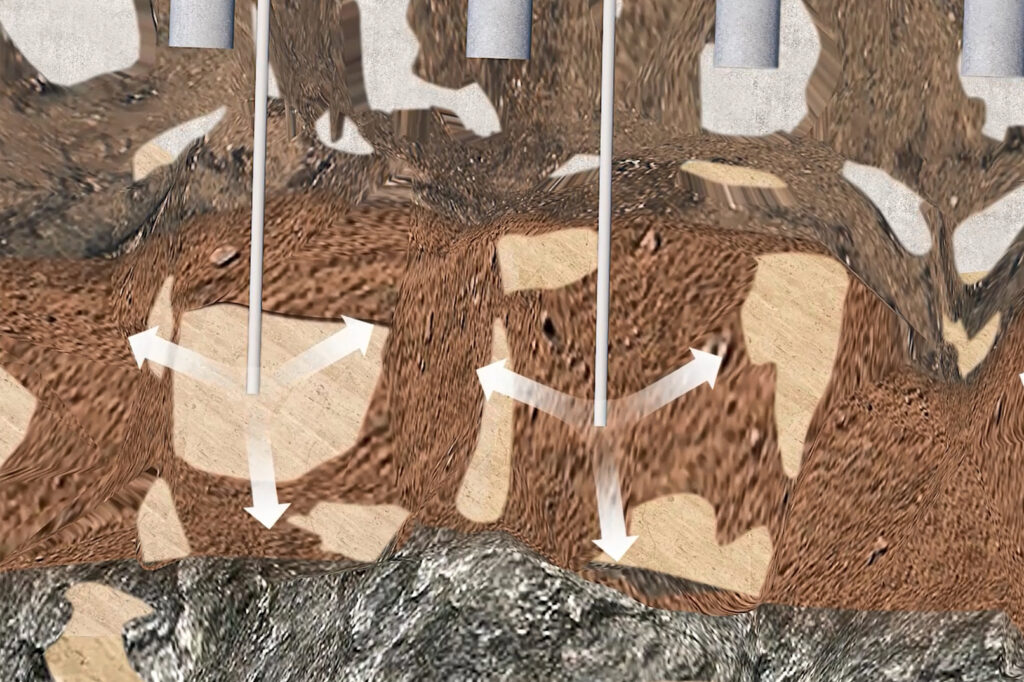
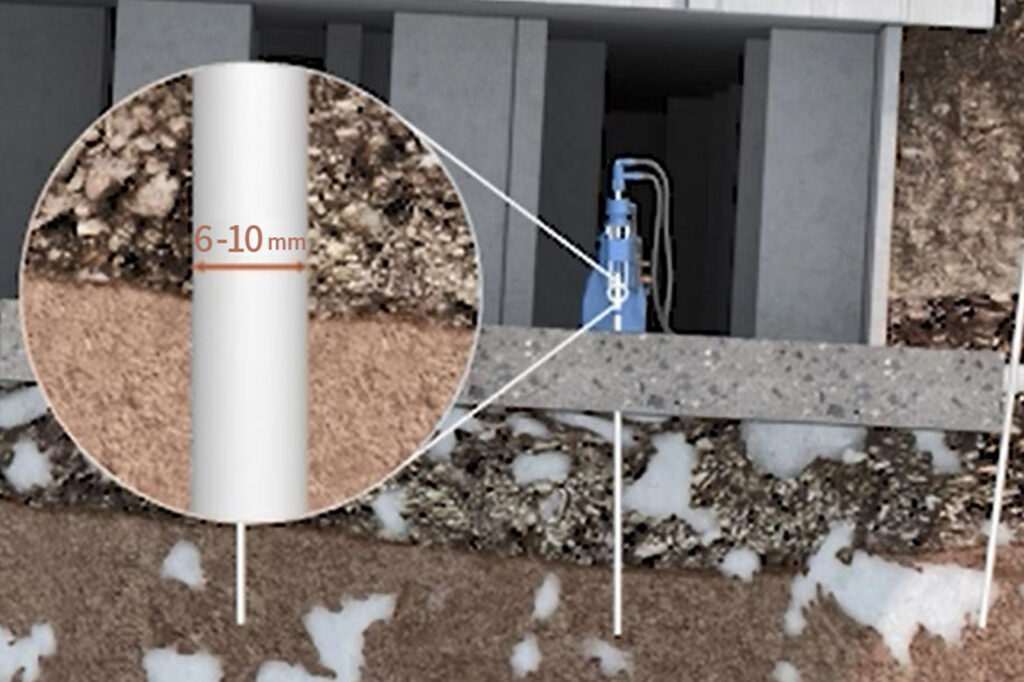
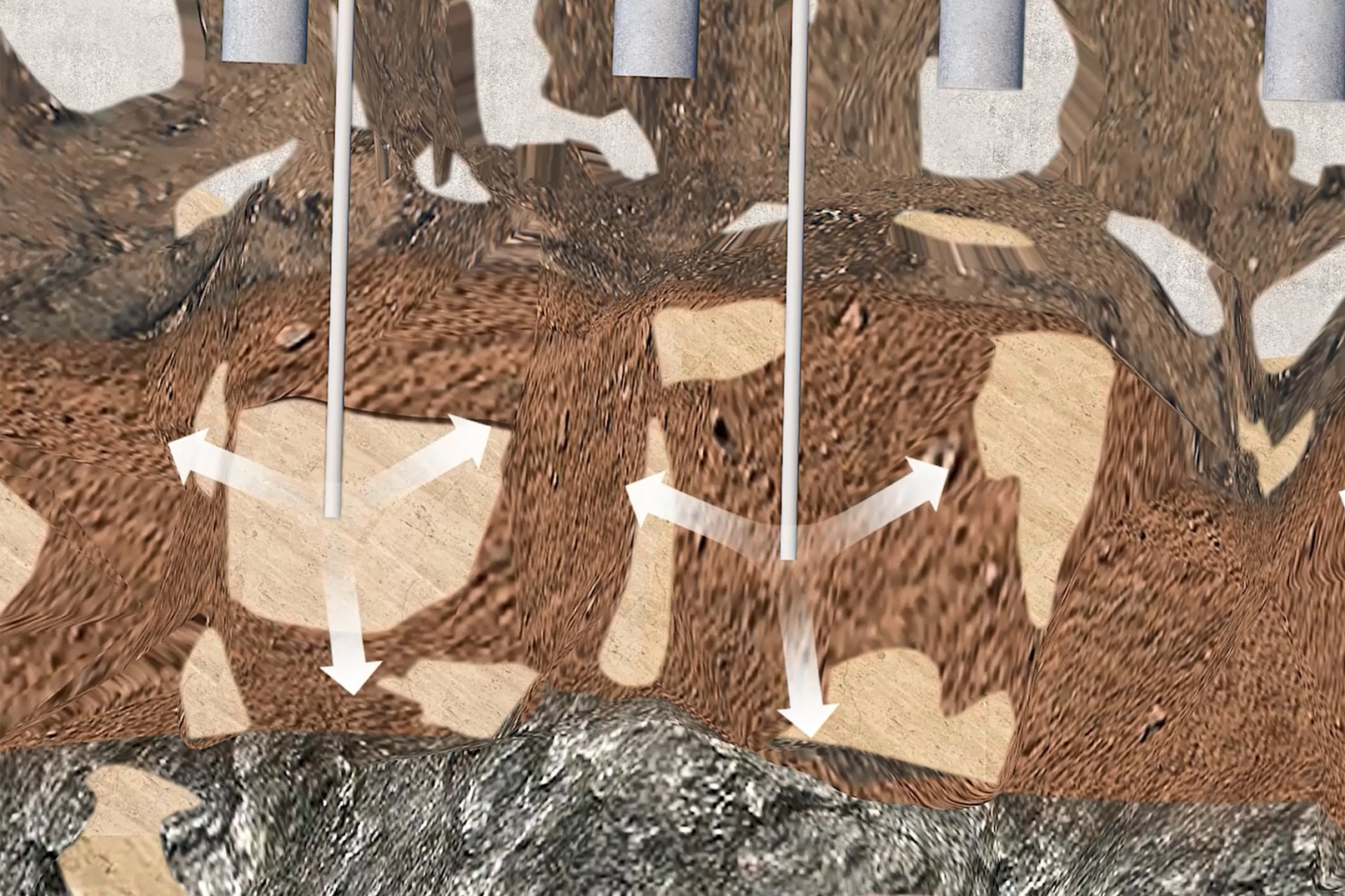
Engineers define treatment zones and monitoring points around the required outcome. Small-diameter drilling and staged injection reduce the construction footprint, while measurement data guides each step.
- Investigate the condition
- engineer the treatment and monitoring plan
- deliver in controlled stages
- verify and document completion.
Connected evidence
Continue into relevant solutions and work
01Aviation · Ground improvement
Airport Service Facility Ground Stabilization
02Rail · Foundation lifting
Beijing–Shanghai High-Speed Railway Foundation Lifting
03Port · Settlement repair
Port Quay Settlement Stabilization
Technical resources
Supporting information for the next decision
01Technical guide · 8 min
Ground Improvement for Operational Infrastructure
02Engineering insight · 6 min
How Controlled Injection Supports Re-Leveling
03Download · Checklist
Infrastructure Asset Assessment Checklist
Start with the condition
Not sure which engineering path fits your asset?
Share photographs, drawings or monitoring information. The team can review the condition and recommend a practical next step.