
 01
Precision correction
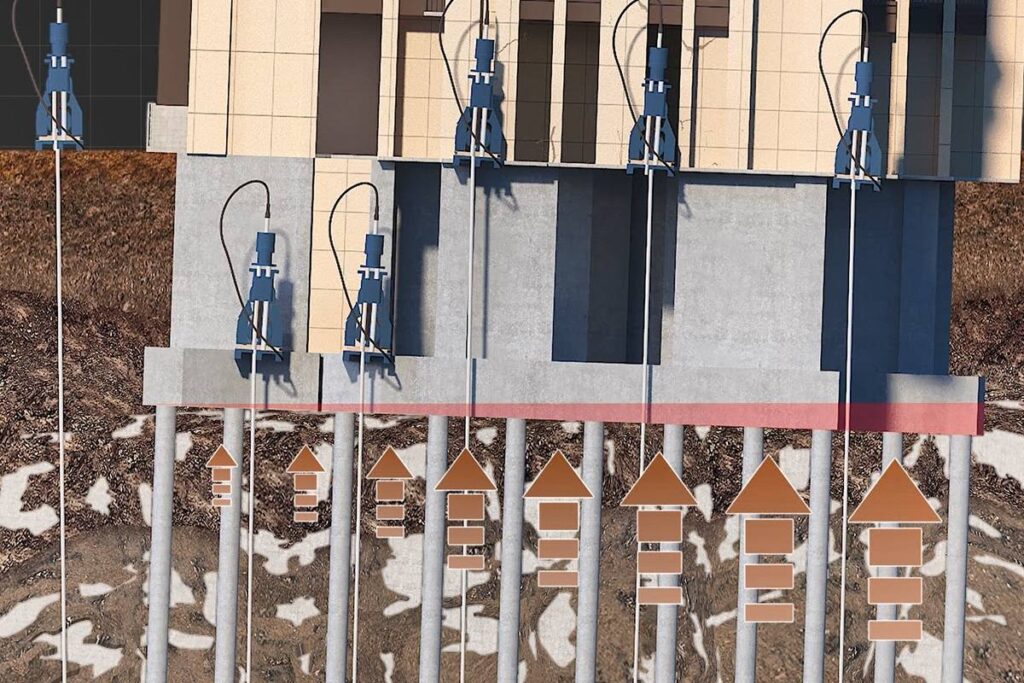
Building Lifting & Re-Leveling
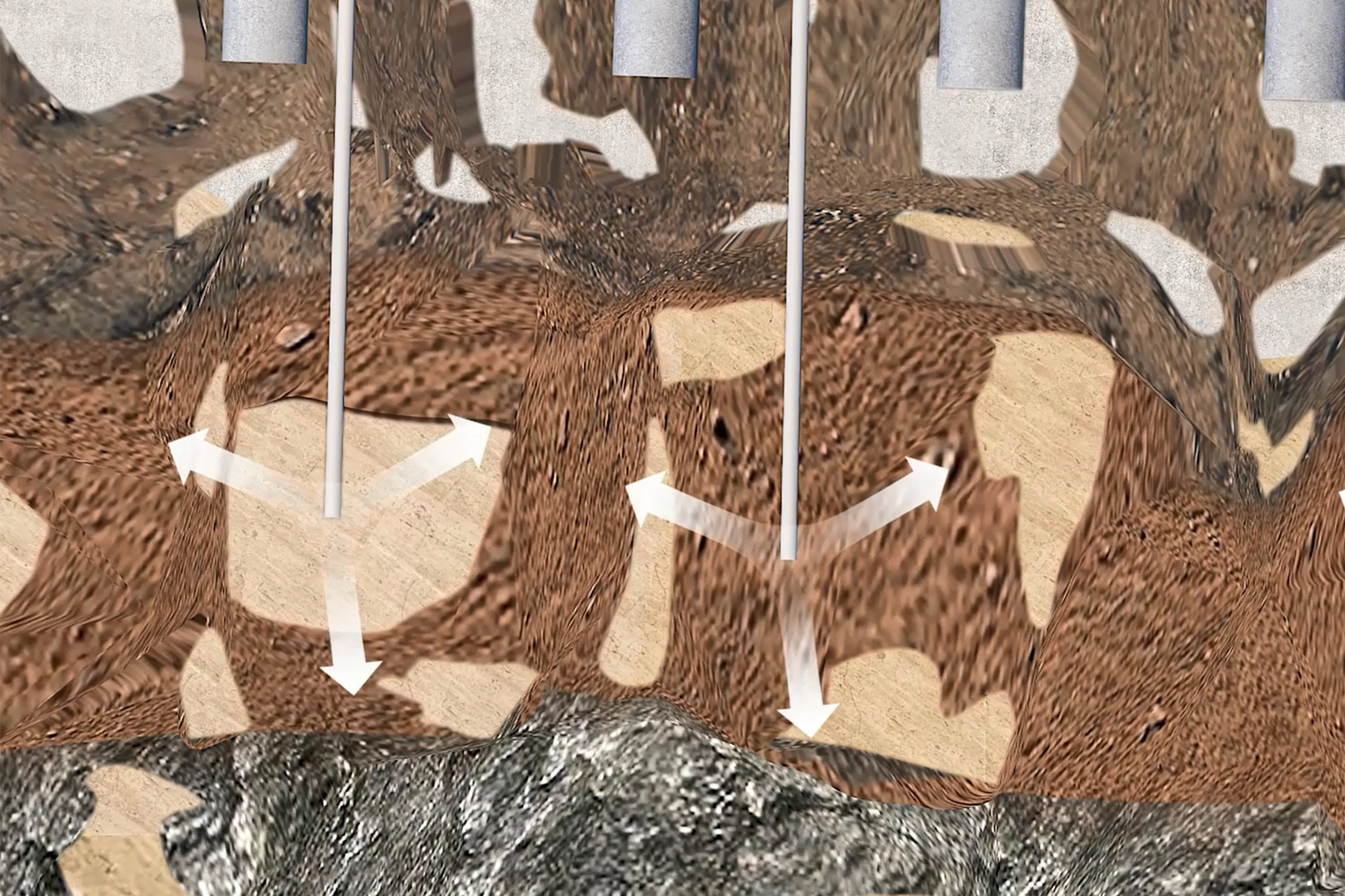
Recover building level through a staged engineering plan that connects ground treatment with real-time structural monitoring.
Explore  02
Building stability
Ground Improvement & Soil Stabilization
Improve weak or compressible soils to increase strength, stiffness and bearing capacity.
Explore  03
Controlled correction
Building Settlement Stabilization
Stabilize building settlement and prevent further structural movement or damage.
Explore  01
Technical guide · 8 min
Ground Improvement for Operational Infrastructure
A planning guide for strengthening ground while protecting access and service continuity.
Explore 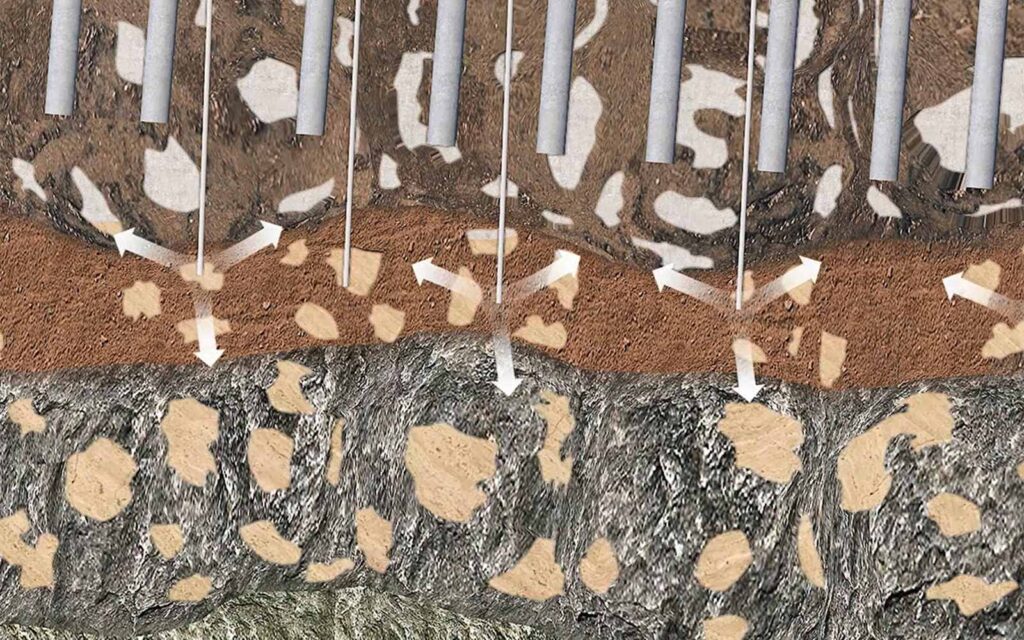 02
Engineering insight · 6 min
How Controlled Injection Supports Re-Leveling
How staged treatment and real-time measurement work together during precision correction.
Explore 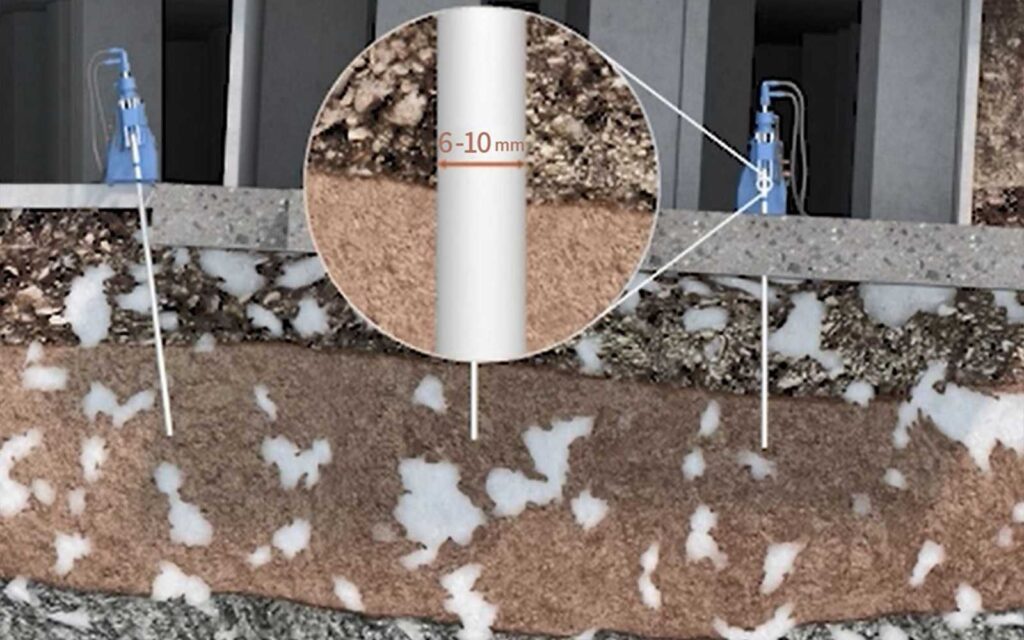 03
Download · Checklist
Infrastructure Asset Assessment Checklist
The site, structural and operational information engineers need before recommending a repair path.
Explore 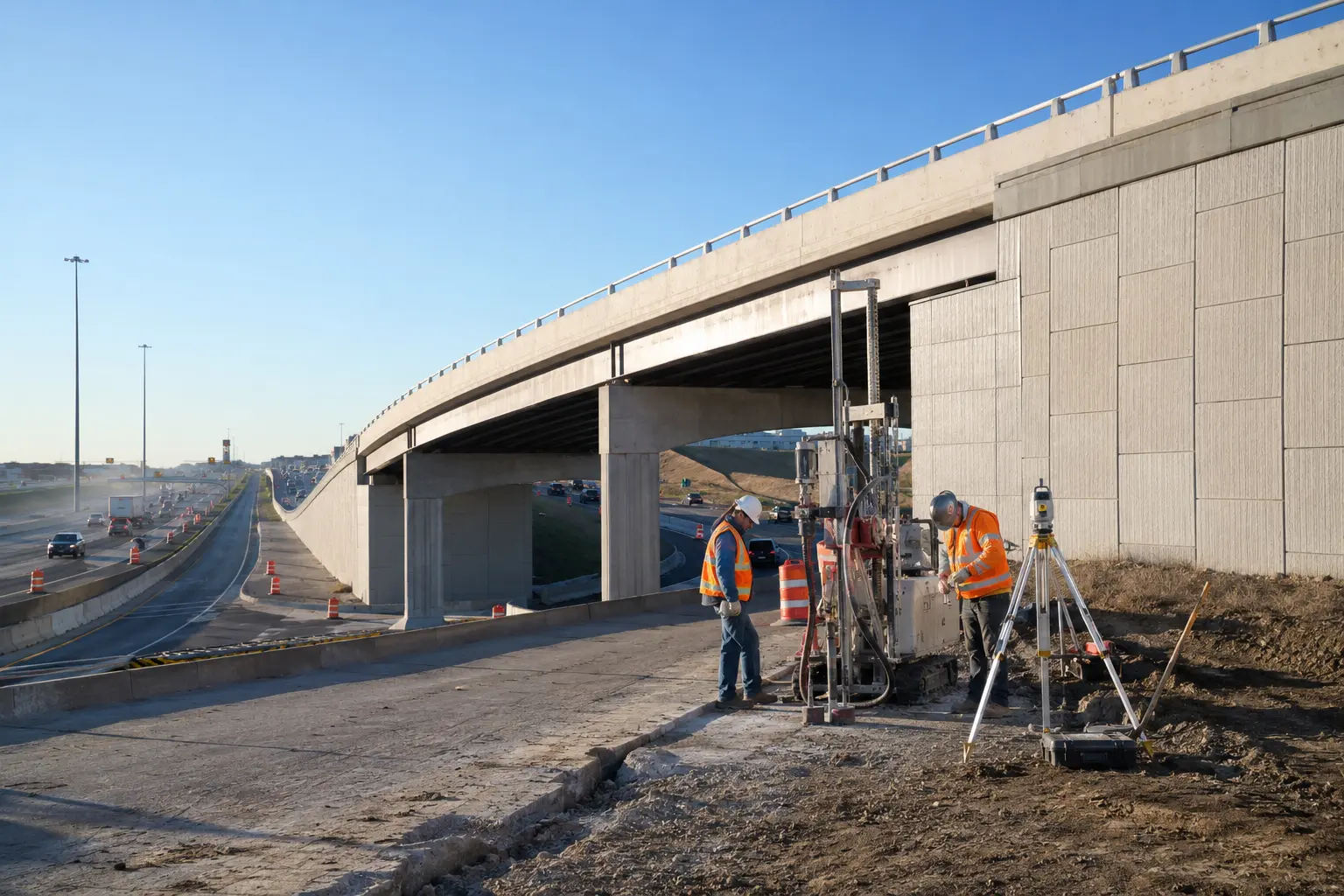
Start with the condition
Not sure which engineering path fits your asset?
Share photographs, drawings or monitoring information. The team can review the condition and recommend a practical next step.