
Commercial · Sectors
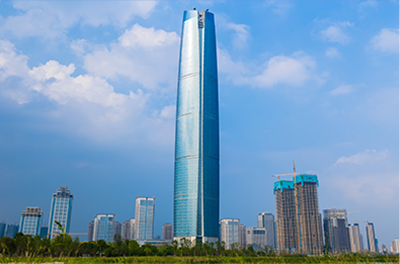
High-Rise Buildings
Commercial towers and complex occupied structures.
Discuss this requirement ↗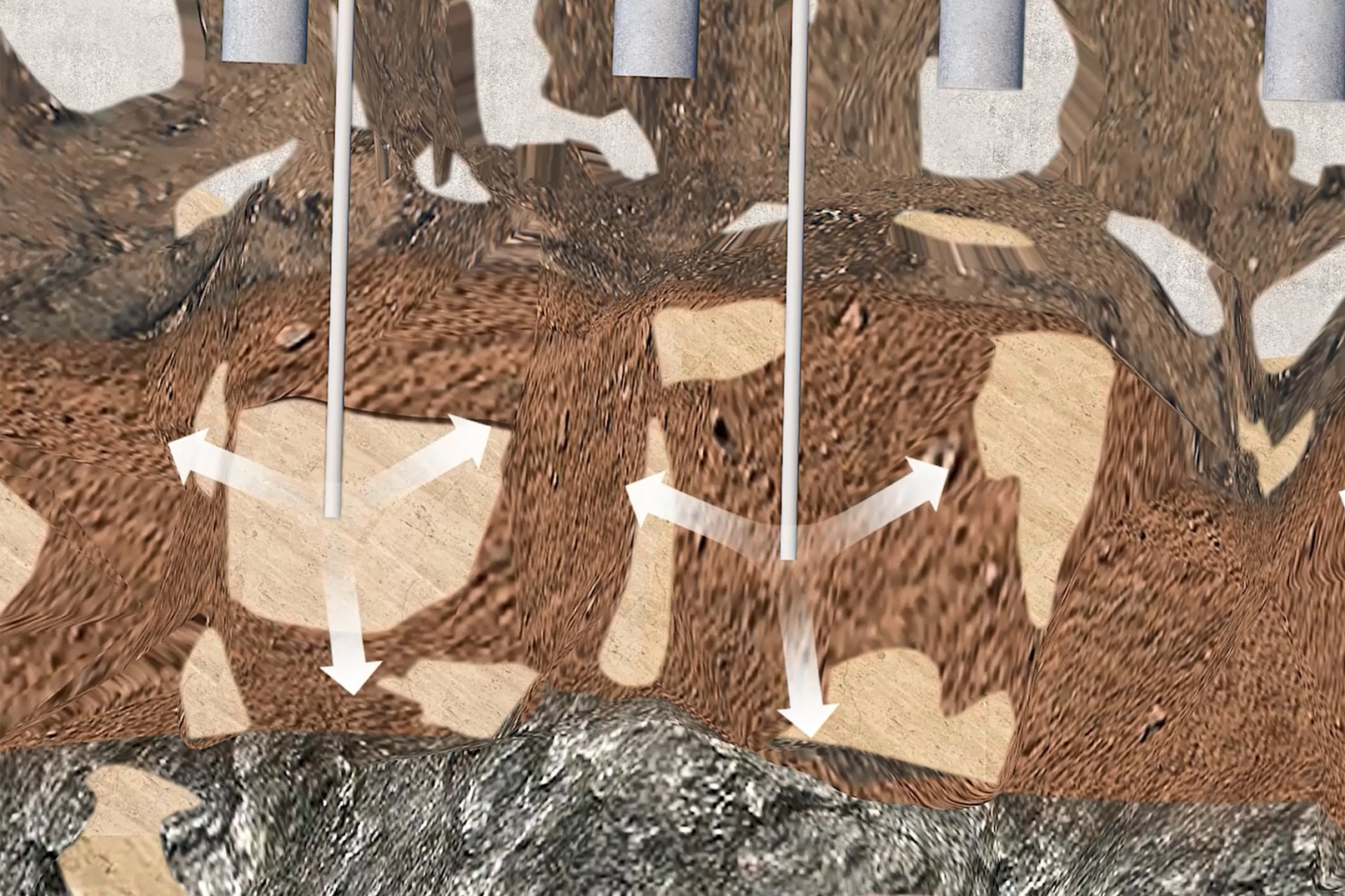
 01
01Building stability
Building Settlement Repair
Stabilize occupied buildings and reduce the risk of continued movement.
Explore 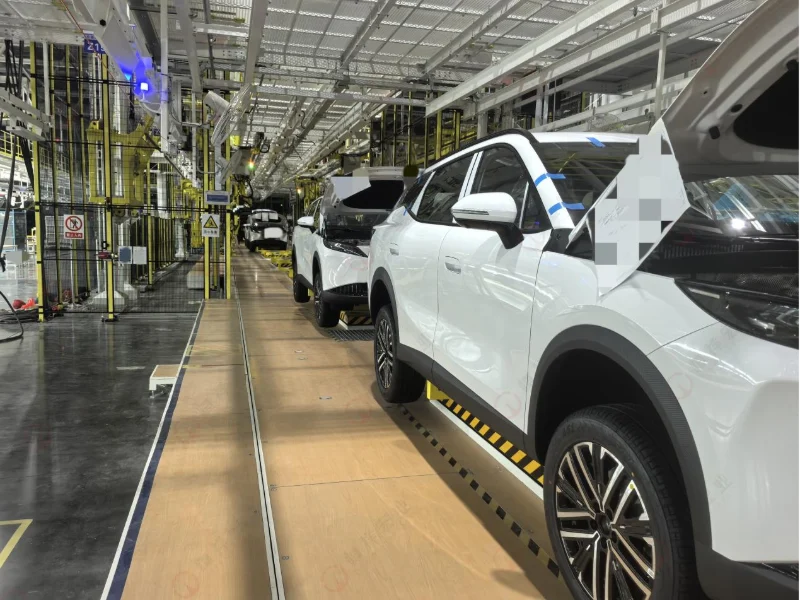 02
02Industrial assets
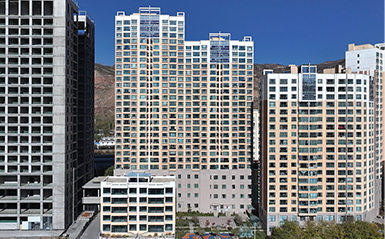
Industrial Foundation Repair
Strengthen support below active industrial structures with a limited footprint.
Explore 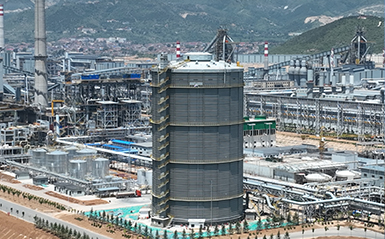 03
03Precision assets
Equipment Foundation Lifting
Restore equipment bases to required level and alignment under precise monitoring.
Explore 01Industry brief · 7 min
Industrial Foundation Repair Without Extended Shutdown
A framework for balancing engineering outcomes with production continuity.
Explore 02Engineering insight · 6 min
When Can an Equipment Base Be Re-Leveled?
The tolerances, load paths and monitoring inputs that shape feasibility.
Explore 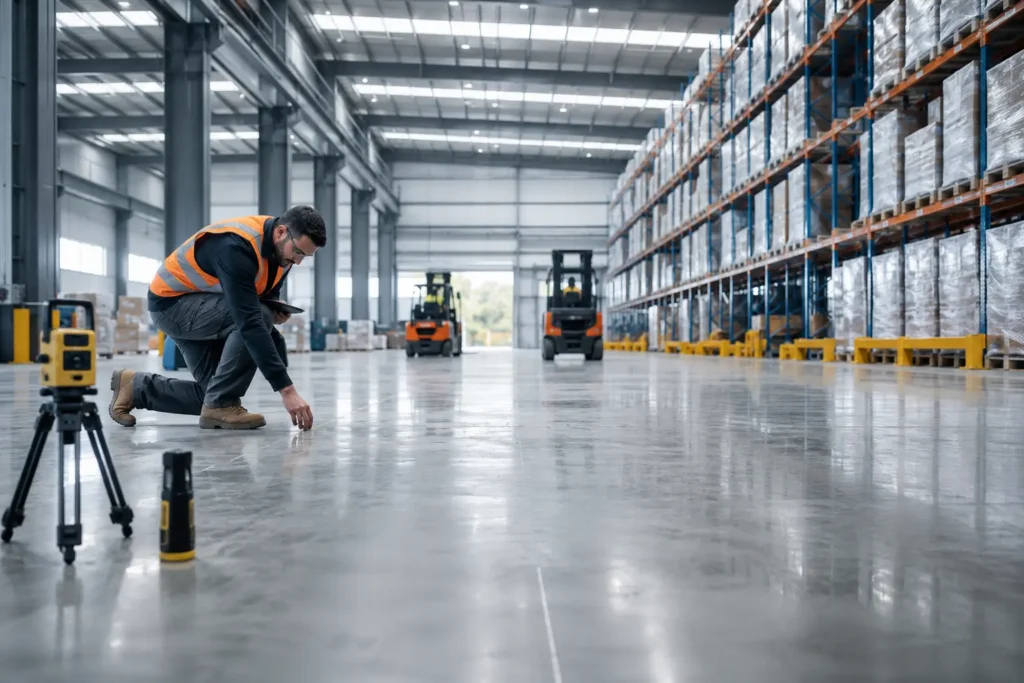 03
03Checklist · 5 min
Warehouse Floor Settlement: What to Check First
A practical checklist for slabs, racking, joints, traffic and drainage clues.
Explore 
Start with the condition
Not sure which engineering path fits your asset?
Share photographs, drawings or monitoring information. The team can review the condition and recommend a practical next step.